Materials

-
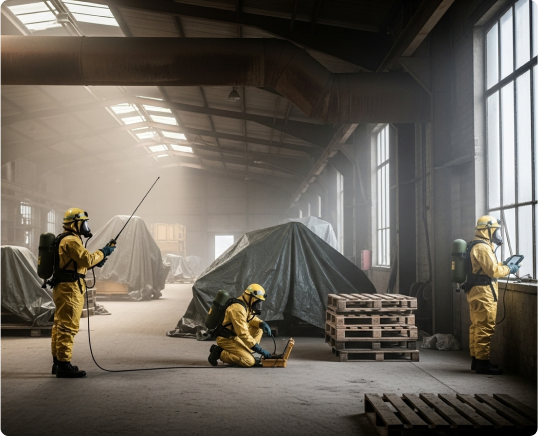
A wide variety of types of radiation occur in nature, such as infrared radiation, visible light, ultraviolet radiation, radiofrequency radiation, low-frequency and static electric and magnetic fields, and ionising radiation. Radioactive substances and X-ray equipment emit ionising radiation. Types of ionising radiation There are five types of ionising radiation to which humans are exposed. Three of these - alpha, beta and gamma radiation - come from natural or artificial radioactive substances; the fourth [...]
-
Radioactivity can be both natural and artificial. While radioactivity plays an important role in science, medicine and energy production, it is important to be aware of the potential risks it can pose to human health and the environment. What is radioactivity? Radioactivity is the ability of a substance to emit radioactive radiation when its nuclei decay naturally. This means that radioactive material changes over time, releasing [...]
-
Radiation monitoring allows us to continuously monitor the levels of radioactivity and assess its effects so that we can make informed decisions to ensure the protection of both human health and the environment. Radiation monitoring in the environment It is also important to monitor radionuclide concentrations and behaviour in the water, air and food chains surrounding the former Paldiski nuclear site to ensure the protection of the environment and the general public. The design of the radiation monitoring programme [...]
-
A lot of preparatory work on nuclear waste is already done at the planning stage to ensure human safety, environmental protection and the suitability of the disposal site. Close cooperation with international specialists to find the best solutions for nuclear waste management is also essential. What is nuclear waste? Nuclear waste is radioactive waste resulting from the use of nuclear fuel. Nuclear fuel is mainly used in places where nuclear energy is produced or used, e.g. in nuclear power plants or nuclear [...]
-
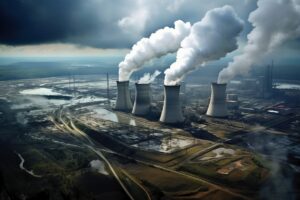
Nuclear power plants are an essential part of modern electricity generation and state-of-the-art technology, but require meticulous planning and operation. In the 1970s, nuclear power plants spread rapidly in Europe, North America and Japan. Following the 1986 Chernobyl disaster, safety requirements for nuclear reactors were strengthened. Since the 2000s, new nuclear reactors have been built with modern, higher-safety technologies, while nuclear power remains an important source of stable electricity worldwide. Currently, [...]
-
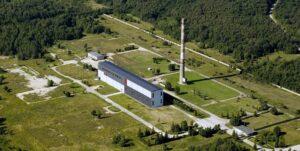
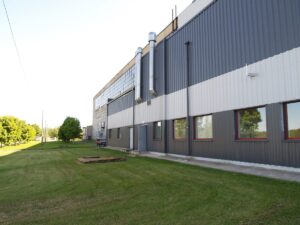
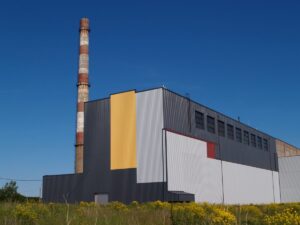
Preliminary studies for the decommissioning of the reactor sections and the construction of a radioactive waste disposal site at the Paldiski nuclear site 2014 - 2015 Two military training reactors, similar to those used on nuclear submarines, were installed at the naval training centre on the northern shore of the Pakri Peninsula to train submariners of the Soviet Union's Northern Fleet and Pacific Fleet. The purpose of the training reactors was to (re)train the marines in conditions as close as possible to real conditions before they were sent to submarines. Nuclear Reactor No. 1 was operational from 1968 [...]
-
-
European Union PHARE project 632.03.01 “Safe long-term storage of the Paldiski sarcophagi and related dismantling activities” Background and project objective In the 1960s, the construction of a training facility equipped with nuclear reactors for the training of nuclear submarine crews was started at the Soviet Army Submariners Training Centre in Paldiski. Later, another, more modern reactor-equipped stand was added to the existing one. Both training facilities were located on the territory within the administrative boundaries of the current city of Paldiski [...]
-
Management of radioactively contaminated metallic waste for disposal and studies for the preparation of a plan for the decommissioning of the two reactor sections of the former Paldiski nuclear site and the construction of a radioactive waste disposal site and for the implementation of the impact assessment studies 2019 - 2023 The project consists of five activities. The preparation of the planning and impact assessment has started, and the public has been proactively and [...]
-
Preliminary studies for the decommissioning of the reactor sections and the construction of a radioactive waste disposal site at the Paldiski nuclear site 2014 - 2015 Two military training reactors, similar to those used on nuclear submarines, were installed at the naval training centre on the northern shore of the Pakri Peninsula to train submariners of the Soviet Union's Northern Fleet and Pacific Fleet. The purpose of the training reactors was to (re)train the marines in conditions as close as possible to real conditions before they were sent to submarines. Nuclear Reactor No. 1 was operational from 1968 [...]
-
European Union PHARE project 632.03.01 “Safe long-term storage of the Paldiski sarcophagi and related dismantling activities” Background and project objective In the 1960s, the construction of a training facility equipped with nuclear reactors for the training of nuclear submarine crews was started at the Soviet Army Submariners Training Centre in Paldiski. Later, another, more modern reactor-equipped stand was added to the existing one. Both training facilities were located on the territory within the administrative boundaries of the current city of Paldiski [...]